
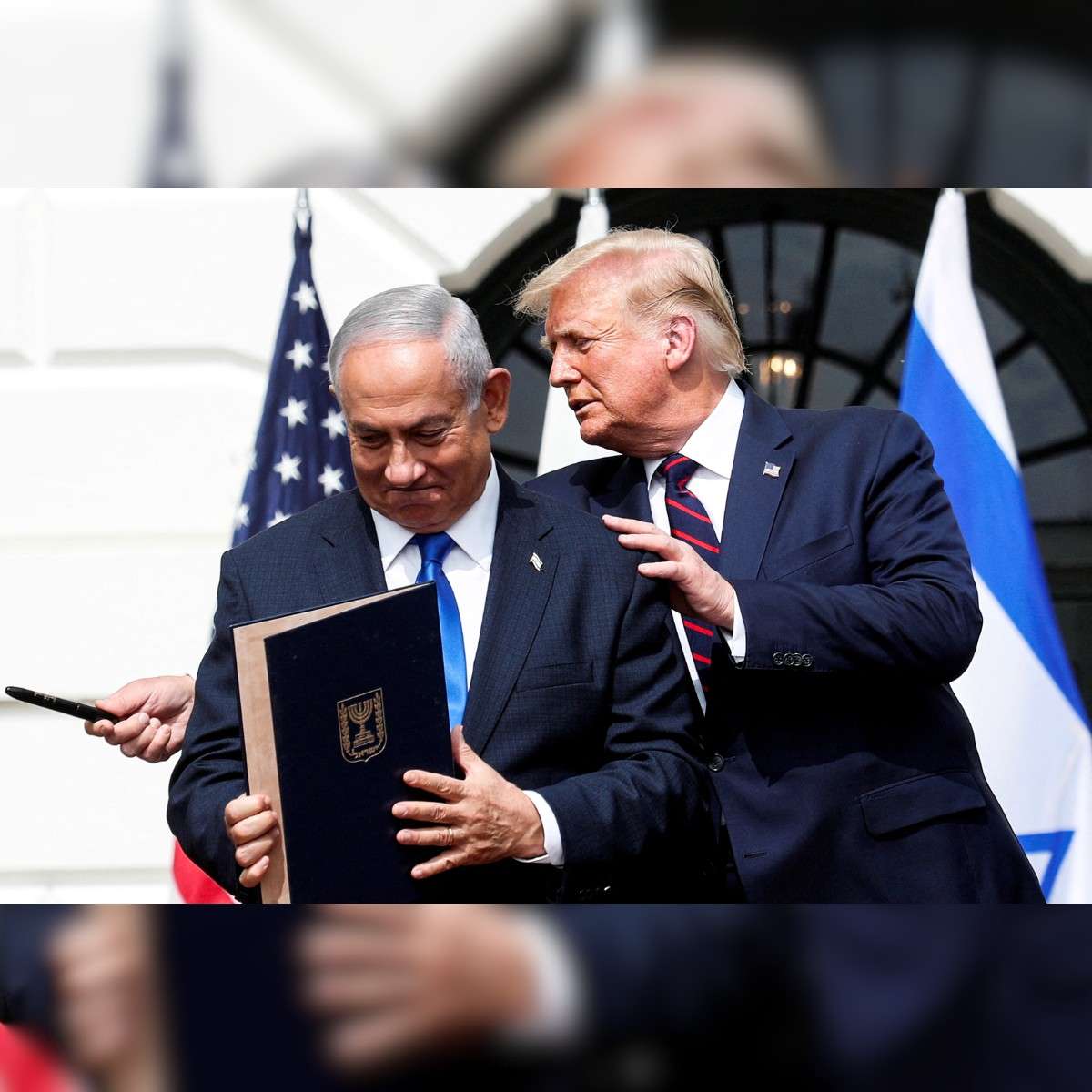
West Asia: The West Asia on Edge After Iran’s Explosive Retaliation Threat situation has intensified global concern as regional tensions continue to rise between Iran, the United States, and Israel.
Moreover, ongoing peace negotiations in West Asia have reportedly slowed down amid fresh controversy surrounding Iran’s alleged retaliation proposal targeting former U.S. President Donald Trump and Israeli Prime Minister Benjamin Netanyahu.
Reports suggest that the proposal could further destabilize already fragile diplomatic efforts in the region.
Iran Reportedly Preparing Controversial Bill
According to reports published by The Telegraph, Iranian lawmakers are reportedly preparing legislation linked to retaliation measures against Donald Trump and Benjamin Netanyahu.
Furthermore, reports claim the proposed bill could include a reward of nearly 50 million euros, equivalent to around ₹43.5 crore.
Iranian National Security Commission Chairman Ebrahim Azizi reportedly stated that the proposal focuses on retaliatory action involving Iran’s military and security forces.
The West Asia on Edge After Iran’s Explosive Retaliation Threat controversy has therefore sparked widespread international attention.
Tensions Rose After Recent Military Strikes
The latest controversy follows months of escalating tensions and reported military strikes involving Iran, the United States, and Israel.
According to recent international reports, diplomatic efforts remain under severe pressure as ceasefire talks continue facing obstacles.
Moreover, reports indicate that the region remains on high alert after recent warnings from Donald Trump regarding possible future military action against Iran.
Analysts believe these developments could significantly increase geopolitical instability across West Asia.
Fragile Peace Talks Continue
Despite growing tensions, indirect negotiations between Iran and the United States are reportedly continuing through diplomatic channels.
Furthermore, reports suggest that Pakistan is currently playing a mediating role between the two sides.
However, officials and analysts say major disagreements still exist over sanctions, military activity, and regional security issues.
The West Asia on Edge After Iran’s Explosive Retaliation Threat situation may therefore complicate already difficult negotiations.
Oil Markets and Global Security Concerns Grow
International markets and security agencies are also closely monitoring the situation.
According to recent reports, oil prices have remained highly volatile due to fears surrounding regional conflict and tensions near the Strait of Hormuz.
Moreover, experts warn that any fresh military escalation could affect global energy supplies and increase economic uncertainty worldwide.
The continuing instability has also raised concerns among diplomatic observers regarding long-term peace prospects in the Middle East.
International Community Watching Closely
Political analysts believe the latest developments could further strain relations between Iran, Israel, and the United States.
Furthermore, experts warn that inflammatory rhetoric and retaliatory proposals may deepen mistrust and increase the possibility of future confrontation.
The West Asia on Edge After Iran’s Explosive Retaliation Threat issue has therefore become one of the most closely watched international developments in recent weeks.
5 Key Points of the News
- Iran reportedly plans legislation linked to retaliation against Donald Trump and Benjamin Netanyahu.
- Reports claim the proposal includes a reward of nearly 50 million euros.
- Peace talks between Iran and the United States remain fragile amid rising tensions.
- Pakistan is reportedly mediating indirect diplomatic discussions.
- Rising tensions have increased concerns over regional security and global oil markets.