
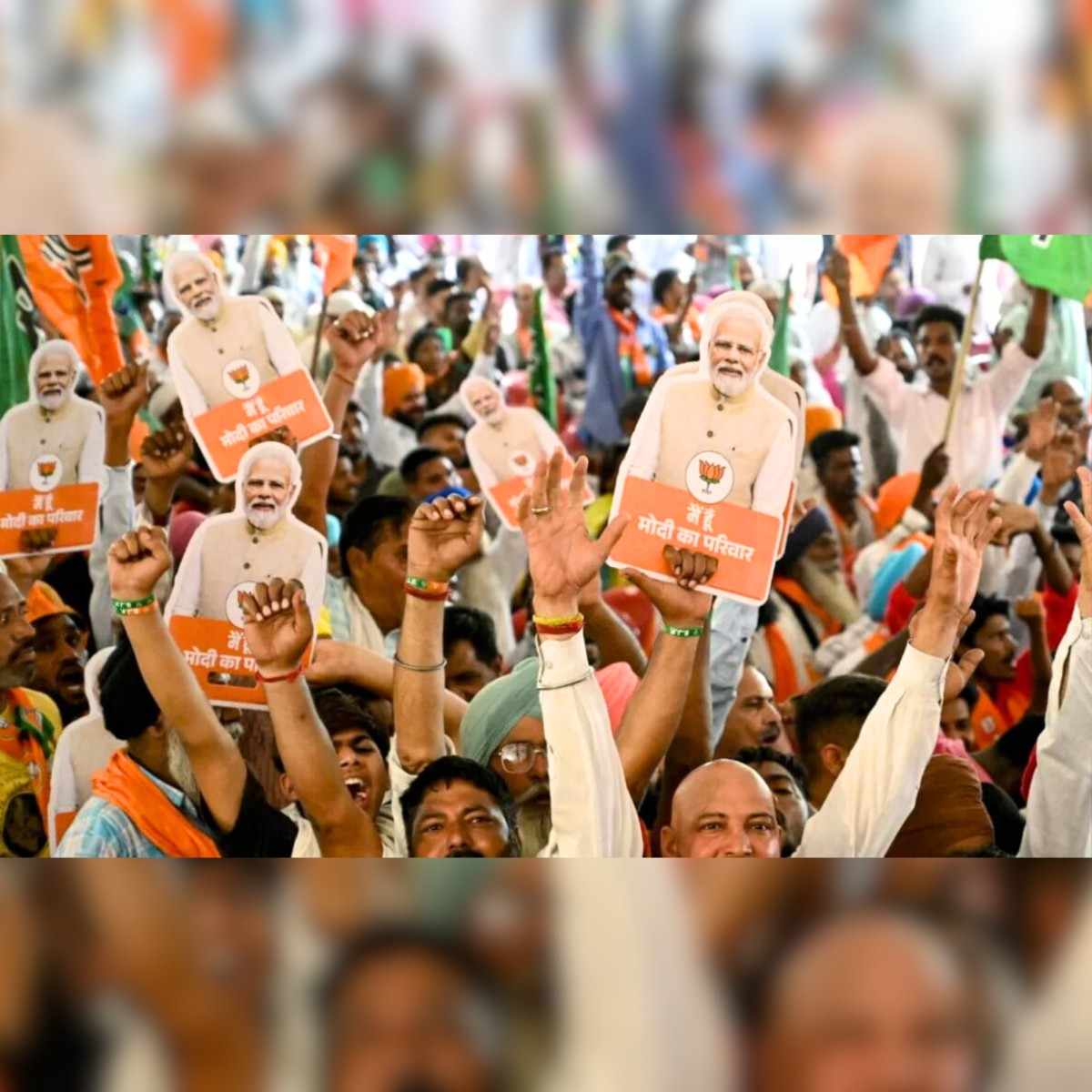
New Delhi: Prime Minister Narendra Modi is set to achieve a historic milestone on June 10. He will become the Modi to Become Longest-Serving Elected PM of India, surpassing Jawaharlal Nehru’s record. This moment marks a significant chapter in India’s democratic journey.
The milestone highlights not only the length of tenure but also the evolution of governance models in India over different eras.
Historic Political Milestone for PM Modi
On June 10, PM Modi will complete a tenure that exceeds Jawaharlal Nehru’s record as a democratically elected Prime Minister. As a result, he will enter a unique position in India’s political history.
This achievement reflects his long electoral journey and continued mandate from voters across multiple general elections. Moreover, it signals strong political continuity in the world’s largest democracy.
Nehru’s Governance Model
Jawaharlal Nehru focused on building India’s institutions after independence. He believed that the state should lead economic and social development.
Therefore, his governance model relied on centralized planning, strong bureaucratic systems, and government-led industrial growth. In that era, many newly independent nations followed similar models.
Nehru’s approach positioned the government as the main driver of national progress and economic planning.
Modi’s Governance Approach
In contrast, PM Narendra Modi follows a citizen participation model. His government promotes the idea of “Jan Bhagidari”, meaning public involvement in governance.
Over the past 12 years, his administration has launched several large-scale initiatives such as Swachh Bharat Abhiyan, Digital India, Jan Dhan Yojana, water conservation programs, and vaccination drives.
These programs encourage citizens to actively participate in national development rather than remain passive beneficiaries.
Shift from Government-Led to Citizen-Led Development
The Modi to Become Longest-Serving Elected PM milestone also highlights a shift in governance philosophy. Earlier, development depended mainly on the government machinery. However, the current model emphasizes shared responsibility.
With a population of over 1.4 billion, India requires large-scale participation to achieve national goals. Therefore, citizen involvement plays a crucial role in areas such as sanitation, digital adoption, and financial inclusion.
As a result, governance has increasingly become collaborative in nature.
“Sabka Saath, Sabka Vikas” Philosophy
A key part of PM Modi’s governance vision is the principle of “Sabka Saath, Sabka Vikas, Sabka Vishwas, Sabka Prayas.”
This philosophy encourages collective effort in nation-building. It also connects government policies with public participation at every level.
In addition, programs like “Mann Ki Baat” and Independence Day speeches repeatedly emphasize the importance of citizen-driven development.
Emphasis on Public Participation
PM Modi has consistently highlighted the importance of public involvement in governance. He believes that development cannot succeed through government efforts alone.
Therefore, his administration promotes awareness campaigns and digital platforms that directly connect citizens with government initiatives. This approach strengthens implementation and increases public ownership of national programs.
Conclusion
The upcoming milestone of Modi to Become Longest-Serving Elected PM on June 10 marks an important moment in Indian political history. It reflects not only a long tenure but also a shift in governance philosophy.
While Nehru focused on institution-led development, Modi emphasizes citizen participation and collective responsibility. Together, both approaches represent different phases of India’s democratic evolution.
Key Points of the news:
- PM Modi to become longest-serving elected PM on June 10.
- He will surpass Jawaharlal Nehru’s tenure record.
- Nehru followed a state-led development model.
- Modi promotes citizen participation through “Jan Bhagidari.”
- Governance shifted toward collective and people-driven development.