
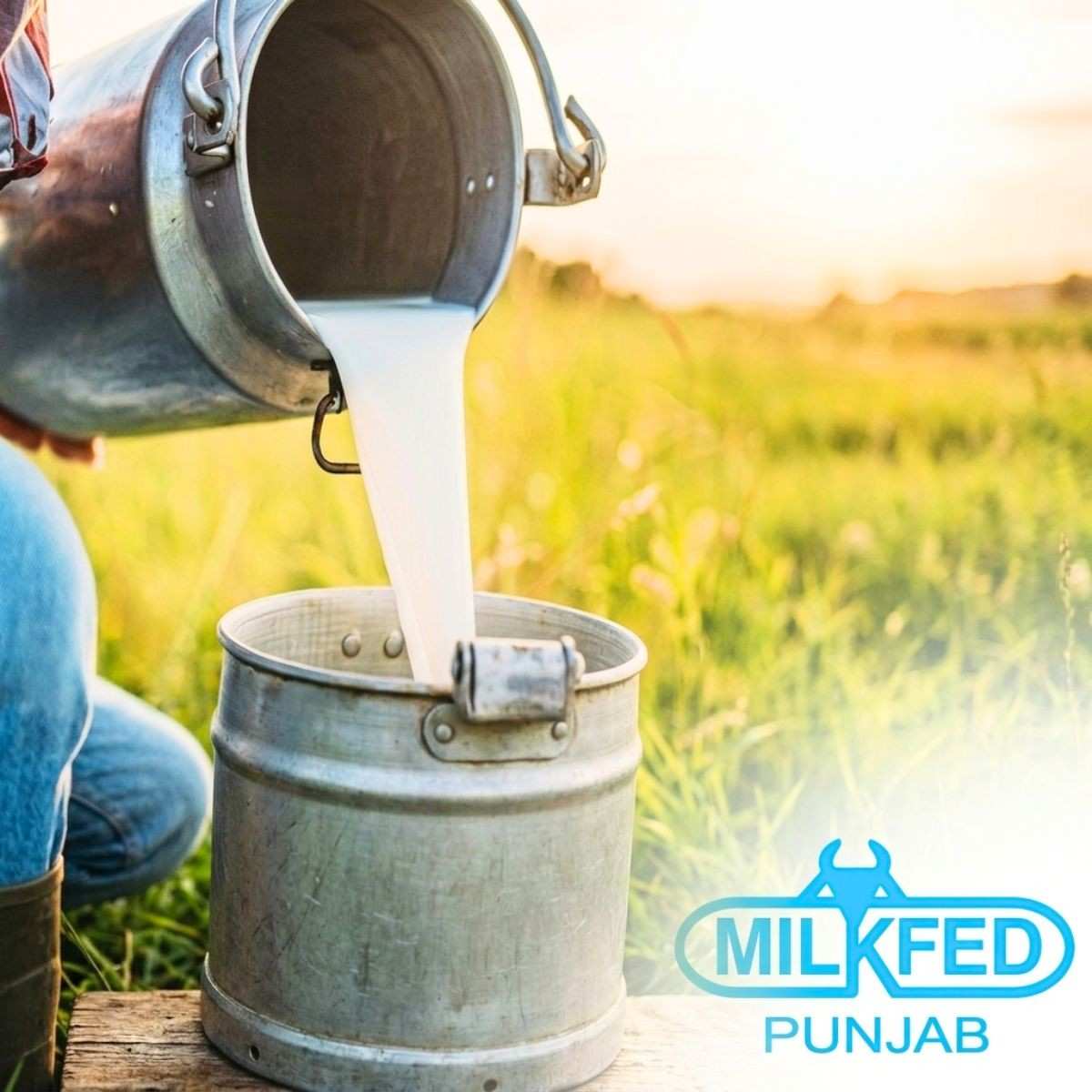
Chandigarh: The Milkfed milk price hike 2026 has officially been announced by the Punjab government, marking a significant development for the state’s dairy sector. Punjab’s cooperative dairy institution Milkfed, widely known through its popular brand Verka, has declared an increase in milk procurement prices starting from 1 May 2026.
According to the announcement, the purchase rate of milk has been increased by ₹20 per kilogram of fat. This decision is expected to directly strengthen the income of dairy farmers across Punjab and provide major support to the rural economy.
The Milkfed milk price hike 2026 decision has been taken under the leadership of Chief Minister Bhagwant Singh Mann. The government aims to ensure better financial stability for dairy farmers and boost rural livelihoods through improved milk pricing policies.
Milkfed, one of North India’s leading dairy cooperatives, plays a crucial role in collecting, processing, and distributing milk across Punjab under its trusted brand Verka. With this revision, the cooperative expects a strong positive impact on milk production and farmer participation.
Impact on Dairy Farmers and Rural Economy of Milkfed Milk Price Hike 2026
The Milkfed milk price hike 2026 is expected to benefit nearly 2.5 lakh dairy farmers directly. In addition, around 30 lakh milk producers across the state will experience positive economic effects due to the revised pricing structure.
The government estimates that this price increase will inject nearly ₹100 crore per month into Punjab’s rural economy. This financial boost is likely to improve purchasing power in villages, strengthen dairy farming sustainability, and encourage more farmers to adopt modern dairy practices.
Experts believe that the Milkfed milk price hike 2026 will also create competitive pressure on private dairy companies operating in Punjab. As Milkfed increases its procurement rates, other companies may also be forced to revise their milk prices to retain suppliers.Strategic Move for Rural Development
The decision reflects the Punjab government’s broader strategy to strengthen the agricultural and dairy ecosystem. Dairy farming is a major source of income for rural households in Punjab, and price stability plays a critical role in sustaining this sector.
By introducing the Milkfed milk price hike 2026, the government aims to ensure that farmers receive fair value for their produce. This move is also expected to reduce migration from rural areas by making dairy farming more profitable and attractive for younger generations.
Milkfed has consistently worked towards improving the quality of milk supply while ensuring better returns for farmers. Through Verka products, the cooperative has built a strong reputation for quality dairy products across North India.
Boost for Verka Brand and Milkfed Operations of Milkfed Milk Price Hike 2026
The Verka brand, operated under Milkfed, is expected to gain further strength following the Milkfed milk price hike 2026. Higher procurement prices may lead to increased milk collection, improved supply chain efficiency, and better farmer engagement.
Milkfed officials believe that this revision will not only benefit farmers but also improve the overall quality and quantity of milk production in the state. With higher incentives, farmers are likely to invest more in cattle health, feed quality, and modern dairy techniques.
Long-Term Economic Vision
The Milkfed milk price hike 2026 is not just a short-term financial adjustment but part of a long-term vision for sustainable rural development. By strengthening the dairy sector, the Punjab government aims to create a more resilient agricultural economy.
This policy is expected to improve income distribution in rural areas and support Punjab’s position as one of India’s leading dairy-producing states.
🔑 Key Points Summary
- Milkfed announces milk price hike 2026 from 1 May in Punjab
- ₹20 per kg fat increase in milk procurement rates
- Around 2.5 lakh dairy farmers to get direct benefit
- Estimated ₹100 crore monthly boost to rural economy
- Expected to influence private dairy companies’ pricing