
New Delhi: The India Japan Relations are once again in the spotlight as Japanese Prime Minister Sanae Takaichi visits India for the 16th India-Japan Annual Summit. The visit is expected to strengthen cooperation in trade, technology, defence, economic security, and the Indo-Pacific region. However, the relationship between Prime Minister Narendra Modi and Japan goes far beyond diplomatic meetings. It reflects decades of personal engagement, cultural understanding, and strategic vision.
A Friendship That Began in the Early 1980s
Narendra Modi’s personal connection with Japan reportedly began in the early 1980s when he served as a young RSS pracharak. During a visit to Nepal, he developed a friendship with a young man from Nagoya, Japan. The friendship continued through letters for several years.
The Japanese friend often sent shoes, T-shirts, and other gifts from Japan. In return, Modi gifted him a copy of the Bhagavad Gita. Moreover, this early friendship helped him develop a lasting interest in Japanese culture and society.
The 2007 Japan Visit Became a Turning Point
The India Japan Relations gained fresh momentum in 2007 when Narendra Modi visited Japan as the Chief Minister of Gujarat. He travelled with a delegation of around 40 members and visited Tokyo, Osaka, Hiroshima, and Kobe.
During the visit, Modi met executives from leading Japanese companies, including Mitsubishi, Mitsui, Sumitomo, Marubeni, Suzuki, Toshiba, Nippon Steel, and Nissan Steel. In addition, Gujarat signed important investment agreements with the Japan External Trade Organization (JETRO), paving the way for future investments.
Friendship with Shinzo Abe Strengthened Bilateral Ties
Another milestone in India Japan Relations came when Narendra Modi met future Japanese Prime Minister Shinzo Abe. Their first meeting developed into one of the most discussed political friendships in recent years.
Furthermore, reports suggest that Modi remained in touch with Abe even during his illness. Their mutual trust later became the foundation for stronger cooperation in infrastructure, defence, and economic development.
Bullet Train Dream Inspired by Japan
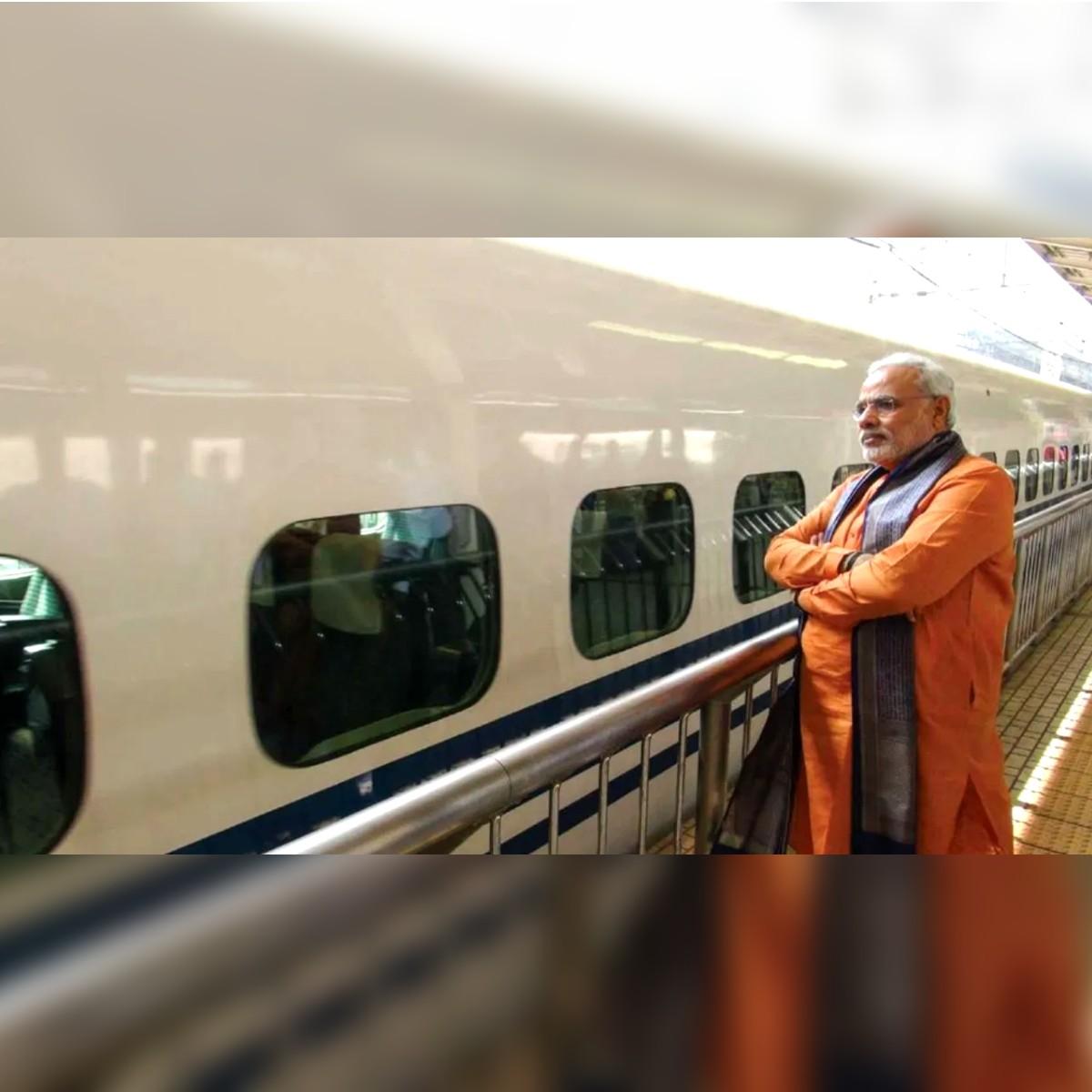
During his Japan visit, Narendra Modi travelled on the famous Shinkansen bullet train. The experience inspired his vision of introducing high-speed rail in India.
He even visited the driver’s cockpit and interacted with engineers about earthquake safety, punctuality, and railway technology. As a result, the experience influenced India’s Mumbai-Ahmedabad High-Speed Rail project, which later received strong Japanese support.
Learning Beyond Diplomacy
Narendra Modi also visited Tokyo’s historic Sensoji Temple during the tour. Instead of only offering prayers, he closely observed crowd management, staff training, and public facilities.
Similarly, he believed that Indian pilgrimage centres could adopt similar systems to improve visitor experience. His approach reflected a willingness to learn from Japan’s administrative efficiency.
Strategic Partnership Continues to Grow
After becoming Prime Minister, Modi transformed these experiences into long-term policy initiatives. Today, India Japan Relations cover high-speed rail, industrial corridors, defence cooperation, supply chain resilience, artificial intelligence, semiconductors, clean energy, and advanced technologies. The latest summit with Prime Minister Sanae Takaichi has further expanded cooperation in economic security, AI, energy, and defence, highlighting the continued strength of the bilateral partnership.
Overall, India Japan Relations have evolved from a personal connection into one of Asia’s strongest strategic partnerships. The relationship continues to grow through shared democratic values, technological cooperation, and a common vision for a free and open Indo-Pacific.
Key Points of the news:
- India Japan Relations are expected to gain fresh momentum following Japanese Prime Minister Sanae Takaichi’s India visit.
- Narendra Modi’s personal association with Japan dates back to the early 1980s through a friendship formed during a Nepal visit.
- Modi’s 2007 visit to Japan as Gujarat Chief Minister laid the foundation for stronger economic and strategic cooperation.
- His friendship with former Japanese Prime Minister Shinzo Abe strengthened bilateral ties across defence, infrastructure, and technology.
- Projects such as the Mumbai-Ahmedabad Bullet Train and industrial cooperation reflect the long-term vision behind India Japan Relations.