
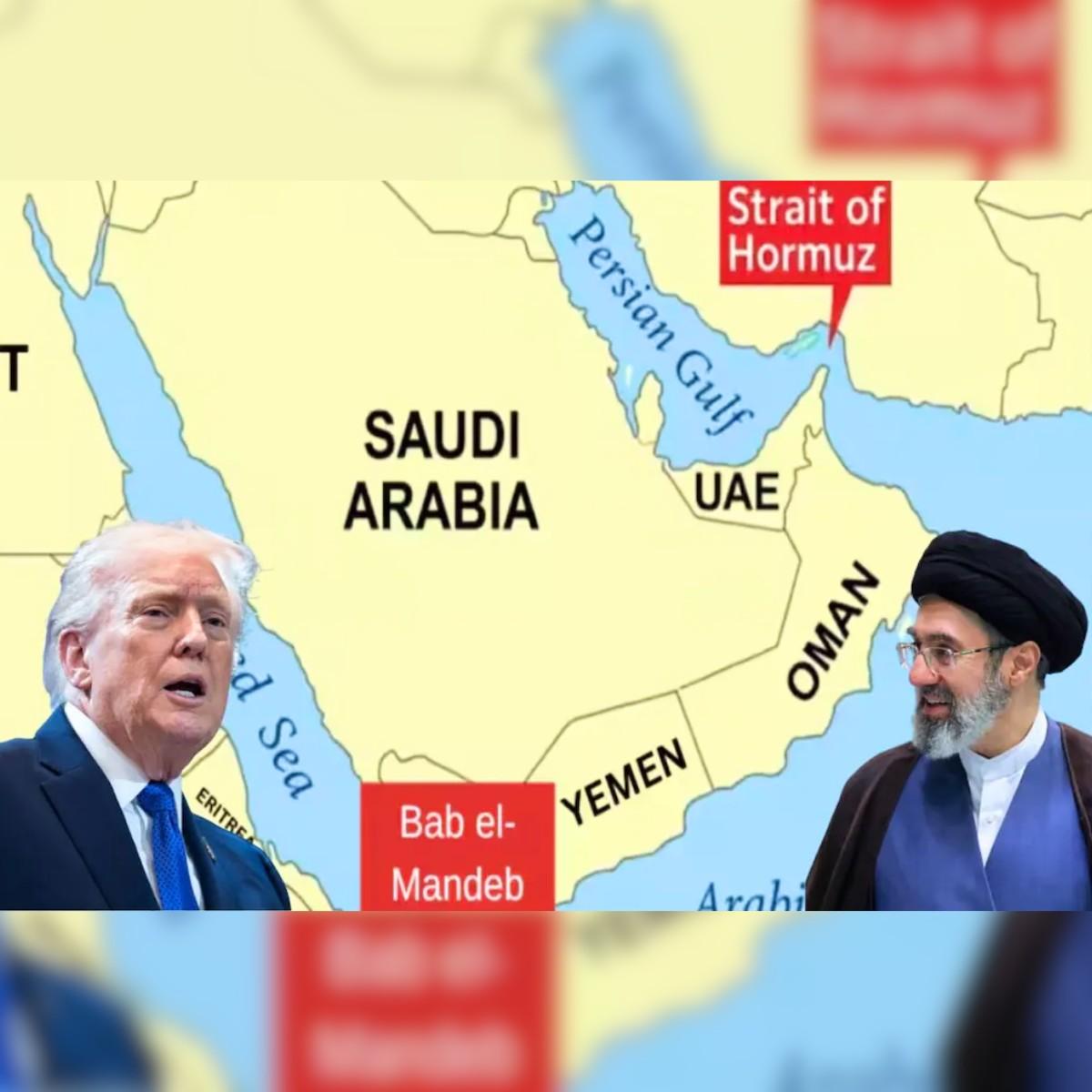
Iran: As tensions continue to simmer in the Middle East, Iran Warns of Closing Bab-el-Mandeb, raising fresh concerns about global trade, energy security, and international shipping routes. The warning comes amid ongoing geopolitical friction involving Iran, Israel, and regional allies.
The latest statement has intensified fears that disruptions in one of the world’s most strategic maritime chokepoints could trigger major consequences for global supply chains and fuel markets.
Iran Issues Fresh Warning
According to reports, senior Iranian military officials indicated that the conflict could expand if military operations in Gaza and Lebanon continue. The statement suggested that the situation in the Bab-el-Mandeb Strait could resemble the current tensions surrounding the Strait of Hormuz.
Consequently, international observers have interpreted the remarks as a significant warning that could affect maritime traffic across a crucial trade corridor.
Why Bab-el-Mandeb Matters
The Bab-el-Mandeb Strait is one of the world’s most important shipping routes. It connects the Red Sea to the Gulf of Aden and serves as a gateway to the Suez Canal.
Located between Yemen and the African nations of Djibouti and Eritrea, the narrow passage handles a substantial portion of international maritime traffic.
Moreover, thousands of cargo vessels carrying electronics, machinery, automobiles, and consumer goods travel through this route every year.
Potential Impact on Global Trade
Experts estimate that nearly 10–12 percent of global maritime trade passes through the Bab-el-Mandeb Strait annually.
Therefore, any disruption could delay shipments between Asia and Europe and increase transportation costs worldwide.
Furthermore, supply chains already facing pressure from geopolitical tensions could experience additional setbacks if shipping traffic is restricted.
Energy Markets Could Face Fresh Pressure
The strait also plays a critical role in global energy transportation.
Every day, millions of barrels of crude oil and petroleum products pass through this route toward Europe and North America. In addition, significant volumes of liquefied natural gas (LNG) from Qatar travel through the same corridor.
As a result, any closure or disruption could lead to higher oil and gas prices, affecting economies across the globe.
Global Attention on Middle East Developments
Although recent diplomatic efforts have eased immediate concerns, analysts believe the situation remains fragile.
Consequently, governments, energy companies, and shipping operators continue to closely monitor developments in the region. The possibility of further escalation has placed renewed focus on the strategic importance of the Bab-el-Mandeb Strait and its role in maintaining global trade flows.
Key Highlights of the Iran Warns of Closing Bab-el-Mandeb:
- Iran Warns of Closing Bab-el-Mandeb amid ongoing regional tensions.
- The strait connects the Red Sea with the Gulf of Aden and the Suez Canal route.
- Around 10–12% of global maritime trade passes through the corridor.
- Millions of barrels of oil and petroleum products move through the route daily.
- Any disruption could impact global supply chains, shipping costs, and energy markets.
- International observers are closely monitoring developments in the Middle East.