
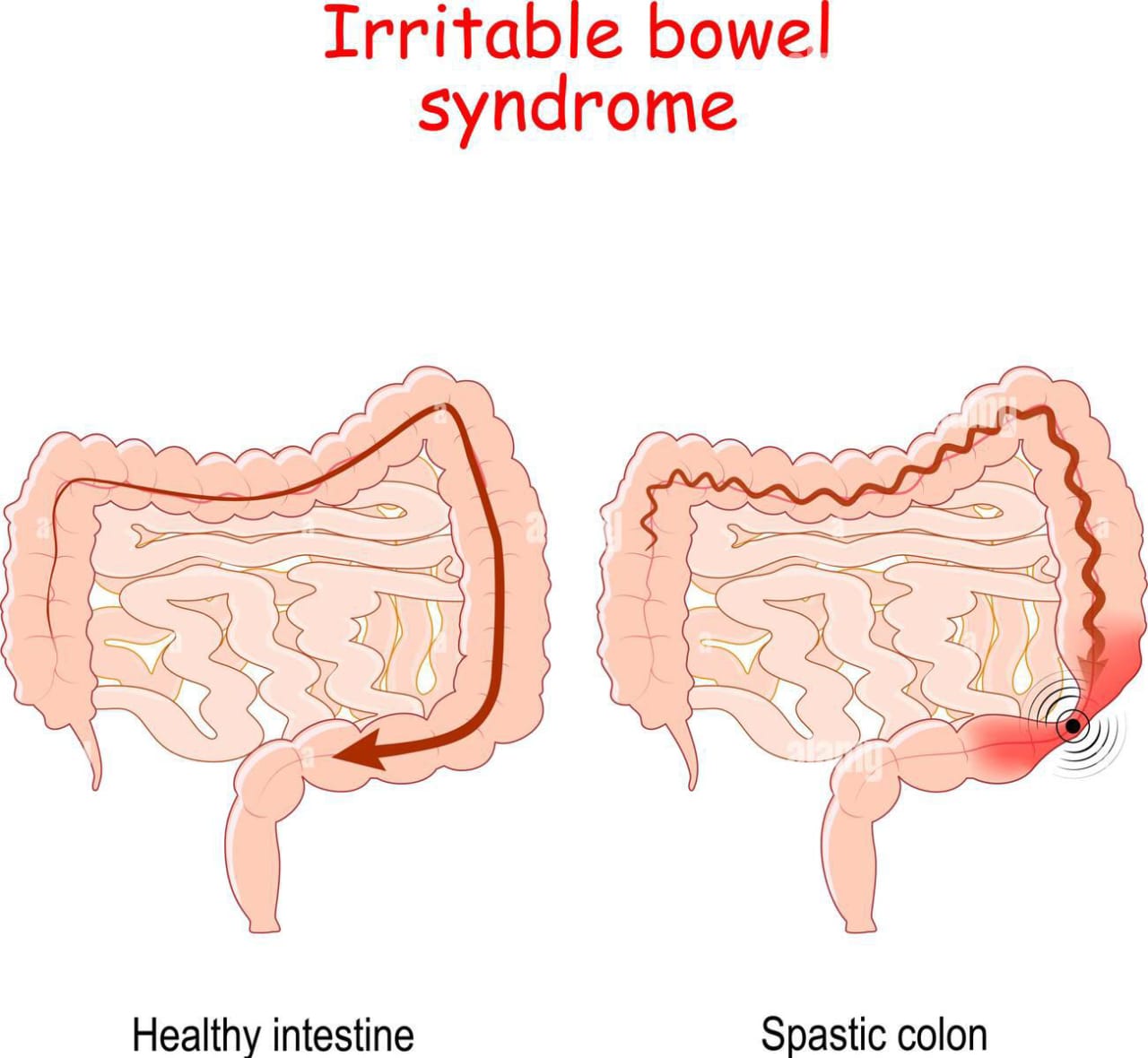
Senior Dietitian at Shah Hospital, Kaithal, Dr Archita Mahajan has explained that Irritable Bowel Syndrome (IBS) is a common digestive disorder characterized by recurring abdominal discomfort and changes in bowel habits.
According to the National Health Service (NHS), IBS is a chronic condition that affects the digestive system and can significantly impact quality of life.
Common Symptoms of IBS
- Abdominal pain or cramps, often linked to the urge to pass stool
- Bloating and excessive gas
- Diarrhoea, constipation, or alternating between both
- Feeling that the bowel has not completely emptied after using the toilet
Health experts advise consulting a doctor if these symptoms persist for more than four weeks.
Possible Triggers of IBS
Dr Archita Mahajan notes that while the exact cause of IBS is not clearly known, several factors may trigger or worsen the condition:
- Alcohol consumption
- Caffeine (tea and coffee)
- Spicy or fatty foods
- Stress and anxiety
- Frequent use of antibiotics
Additional Associated Symptoms
IBS may also be accompanied by:
- Persistent gas
- Fatigue and low energy levels
- Nausea
- Back pain
- Frequent urge to urinate
- Feeling of incomplete urination
Studies suggest that approximately 5–10% of the global population suffers from IBS. Research also indicates that one in three individuals with IBS may experience anxiety or depression.
How to Manage IBS
Dr Mahajan recommends:
- Eating a balanced, light diet
- Reducing caffeine and spicy foods
- Managing stress through yoga and meditation
- Staying well hydrated
- Engaging in regular physical activity
She emphasized that lifestyle modifications and dietary adjustments can help manage IBS symptoms effectively.