
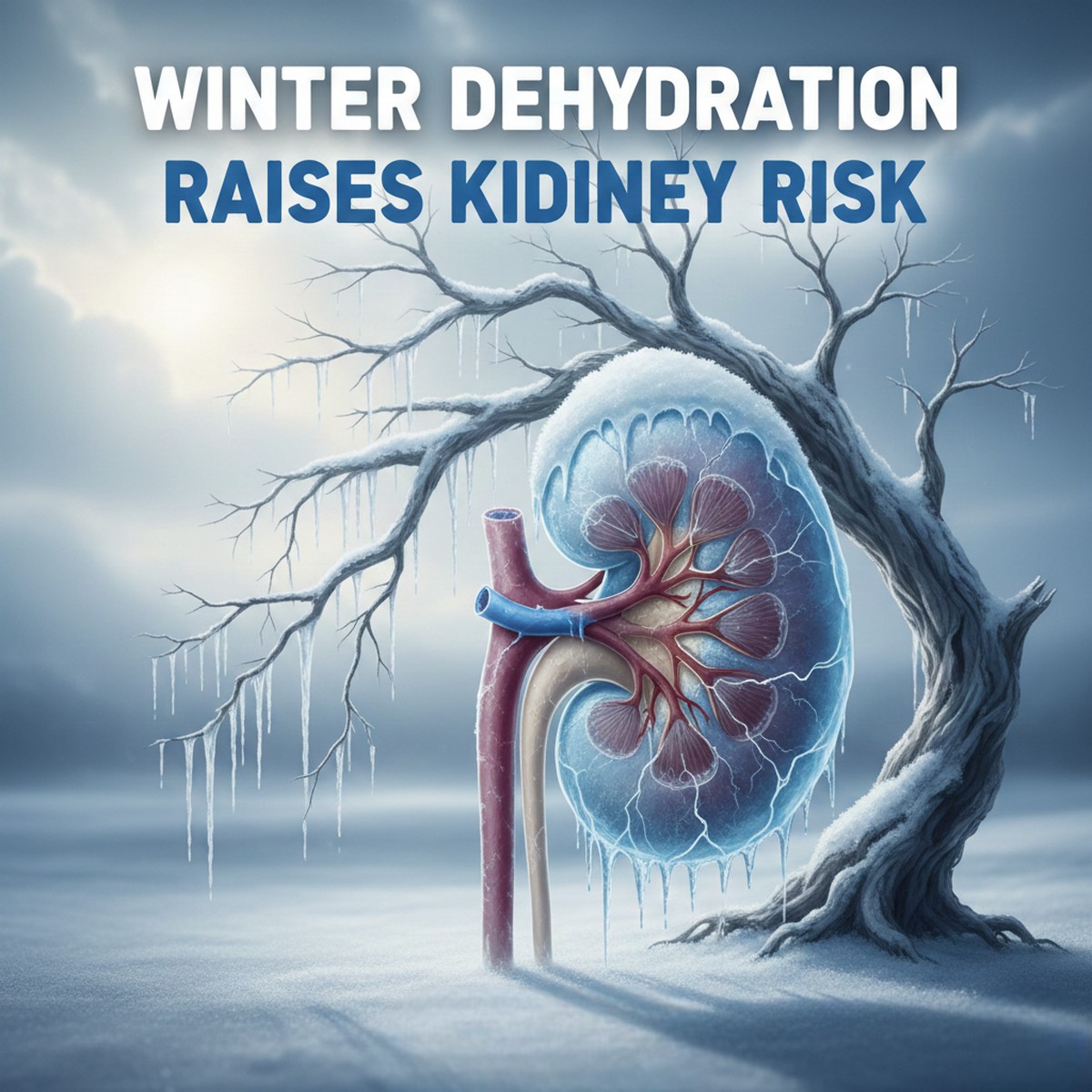
Senior Dietitian at Shah Hospital, Kaithal, Dr Archita Mahajan has warned that reduced water intake during winter can significantly increase pressure on the kidneys, raising the risk of kidney stones, infections and high blood pressure.
Dr Mahajan explained that in cold weather, people tend to feel less thirsty due to reduced sweating. As a result, many consume less water, leading to dehydration. When the body lacks sufficient fluids, the kidneys have to work harder to filter toxins and waste products from the blood, which may accumulate and affect kidney function.
She highlighted that insufficient hydration can make urine more concentrated, increasing the likelihood of calcium and other minerals forming kidney stones. Reduced water intake also raises the risk of urinary tract infections (UTIs), as bacteria are not flushed out effectively through urine.
According to Dr Mahajan, dehydration may also elevate sodium levels in the body, potentially increasing blood pressure and putting additional strain on the tiny blood vessels in the kidneys. Furthermore, cold temperatures cause blood vessels to constrict (vasoconstriction), which can reduce blood flow to the kidneys and impact their efficiency.
She added that seasonal illnesses such as cold, cough and flu often require medications, some of which may be nephrotoxic and harmful to kidney health if not taken under medical supervision.
Preventive Measures for Kidney Health in Winter
Dr Mahajan advised the following steps to protect kidney function during cold weather:
- Stay Hydrated: Drink adequate water throughout the day, along with herbal tea or warm lemon water, even if you do not feel thirsty.
- Monitor Urine Color: Light-colored urine indicates proper hydration, while dark urine signals dehydration.
- Stay Physically Active: Regular movement helps maintain healthy weight and overall organ function.
- Keep Warm: Wear warm clothing and maintain indoor warmth, especially for kidney patients.
- Avoid Pollution Exposure: Poor air quality may further affect kidney health; use masks when necessary.
Dr Mahajan, who holds a Master’s degree in Food Nutrition and Dietetics and has been honoured by Punjab and Himachal Pradesh governments, emphasized that simple lifestyle measures can significantly reduce winter-related kidney risks.