
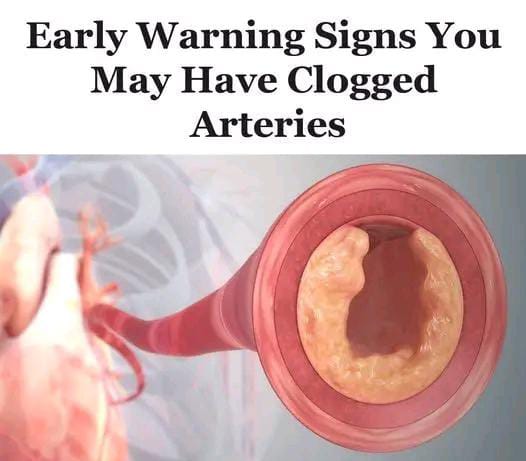
Blocked arteries, medically known as Atherosclerosis, develop when cholesterol, inflammatory waste, calcium and cellular debris accumulate along artery walls, says Dr Archita Mahajan, nutritionist and child care expert.
Over time, arteries become hardened and narrowed, reducing oxygen-rich blood supply to vital organs. If plaque ruptures, it can lead to blood clot formation, increasing the risk of a heart attack or stroke.
Major Risk Factors
According to Dr Mahajan, common risk factors include:
- Smoking
- High blood pressure
- High LDL cholesterol
- Insulin resistance or diabetes
- Chronic stress
- Poor sleep
- Physical inactivity
- Diet high in ultra-processed foods
Early Warning Signs You Should Not Ignore
1. Chest Discomfort or Tightness (Angina)
A feeling of pressure, heaviness or tightness in the chest—especially during physical activity or stress—may signal reduced blood flow to the heart muscles. Symptoms often improve with rest.
Why it happens: Narrowed coronary arteries fail to meet increased oxygen demand during exertion.
2. Shortness of Breath During Mild Activity
Unusual breathlessness while walking, climbing stairs or doing daily chores may indicate compromised blood circulation in the heart or lungs.
Why it happens: The heart works harder to pump blood through narrowed vessels.
3. Leg Pain While Walking (Claudication)
Pain, cramping or fatigue in calves, thighs or hips that appears during walking and eases with rest may indicate peripheral artery disease.
Why it happens: Narrowed leg arteries cannot deliver sufficient blood during activity.
4. Cold Hands or Feet and Skin Color Changes
Persistently cold extremities, bluish or pale skin and slow nail growth can signal poor peripheral circulation.
Why it happens: Reduced blood flow to the limbs.
5. Jaw, Neck, Shoulder or Upper Back Pain
Discomfort in these areas—especially during exertion—may be a referred pain from reduced heart blood supply.
Why it happens: The nervous system transmits heart pain to nearby regions.
6. Dizziness, Confusion or Vision Changes
Temporary dizziness, trouble concentrating or vision disturbances may indicate reduced blood flow to the brain or carotid arteries.
Why it happens: Narrowed vessels limit oxygen supply to neural tissue.
7. Unusual Fatigue
Persistent, unexplained fatigue—especially during activity—can be a subtle cardiovascular symptom and is more commonly reported in women.
Dr Mahajan advises that early detection and lifestyle modification—including a balanced diet, regular exercise, stress management and medical checkups—can significantly reduce cardiovascular risk. Anyone experiencing these symptoms should seek prompt medical evaluation.