
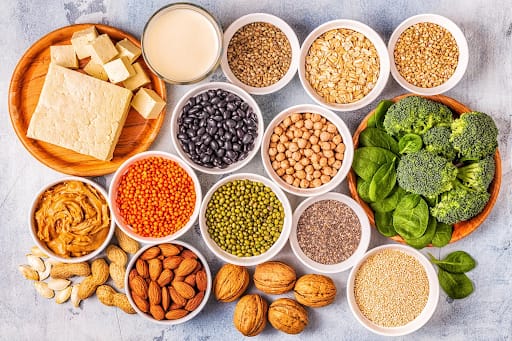
In the race to eat “healthy,” are you unknowingly reducing your protein intake? Senior Dietitian Dr. Archita Mahajan from Shah Hospital, Kaithal, warns that protein deficiency can silently affect multiple systems in the body.
Protein is essential for tissue building, repair, immunity, hormone production, and muscle maintenance. When the body does not get adequate protein, it begins to show visible and internal warning signs.
Symptoms and Effects of Protein Deficiency
1. Muscle Weakness and Loss
Low protein intake leads to muscle loss and reduced muscle mass. This increases weakness and raises the risk of falls and fractures, especially in older adults.
2. Hair, Skin, and Nail Problems
Protein deficiency may cause:
- Thin, brittle hair
- Dry, flaky skin
- Weak, breaking nails
This happens because protein is a key structural component of hair, skin, and connective tissues.
3. Weakened Immune System
Protein is crucial for producing antibodies and immune cells. A deficiency can make you more prone to infections and frequent illnesses.
4. Swelling (Edema)
Low protein levels in the blood can lead to fluid retention, causing swelling in the hands, feet, and other body parts.
5. Fatigue and Low Energy
Protein helps maintain energy levels and repair body tissues. Inadequate intake can result in persistent tiredness and weakness.
6. Delayed Wound Healing
Amino acids from protein are necessary for tissue repair. Cuts and injuries may take longer to heal when protein intake is insufficient.
7. Mental and Mood Changes
Protein influences neurotransmitter production in the brain. Deficiency may lead to irritability, mood swings, and difficulty concentrating.
Serious Conditions Linked to Protein Deficiency
Kwashiorkor
A severe form of malnutrition caused by extreme protein deficiency. It can result in:
- Swollen abdomen
- Fatty liver
- Skin and hair changes
This condition is most common in children and can be life-threatening.
Hypoproteinemia
A condition marked by low levels of protein in the blood. It may indicate underlying kidney or liver disease and can become serious if untreated.
How to Prevent Protein Deficiency
Include adequate high-quality protein in your daily diet:
- Eggs
- Milk and dairy products
- Pulses and lentils
- Soy and tofu
- Nuts and seeds
- Fish and lean meats
Balanced nutrition does not mean eliminating essential macronutrients. Protein is not optional — it is fundamental for growth, immunity, and overall health.