
Expert Insights
Dr. Archita Mahajan, a nutrition dietitian, child care specialist with a master’s in food nutrition, homeopathic pharmacist, trained yoga teacher, nominee for the Padma Bhushan National Award, and honored by Punjab and Himachal governments, explains the deep connection between diabetes, brain health, and overall well-being. High blood sugar levels damage brain cells and blood vessels, reducing blood flow to the brain and affecting cognitive abilities. Additional diabetes-related issues like high blood pressure, elevated cholesterol, and weight gain further harm brain function.
Common Symptoms
Diabetes-induced brain weakening shows through these typical signs:
- Difficulty remembering things.
- Trouble thinking and comprehending.
- Challenges focusing attention.
- Mood swings.
- Fatigue and weakness.
Scientific Connection
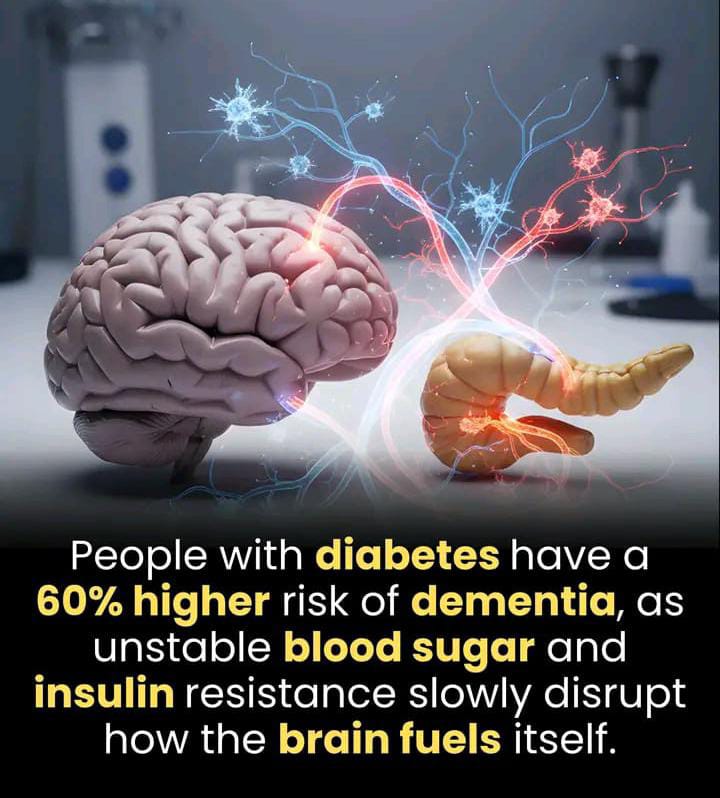
Scientists now term this the diabetes-dementia link, where blood sugar imbalances stress the body and destroy brain cells. Insulin resistance extends beyond muscles and liver to the brain, starving neurons of energy—leading researchers to call it “Type 3 diabetes.” Over time, damaged blood vessels, poor oxygen flow, and chronic inflammation accelerate memory loss and cognitive decline.
hopeful Treatments
Diabetes medications stabilize glucose, reduce neural inflammation, and protect brain cells from aging. Some, like memantine used for Alzheimer’s, originated from diabetes research. Proper management preserves not just heart and kidney health but also memory, focus, and mental sharpness as we age.
Prevention Tips
Controlling blood sugar via a balanced diet, regular exercise, stress management, and appropriate treatment is crucial. A healthy metabolism holds the key to a sharp mind.