
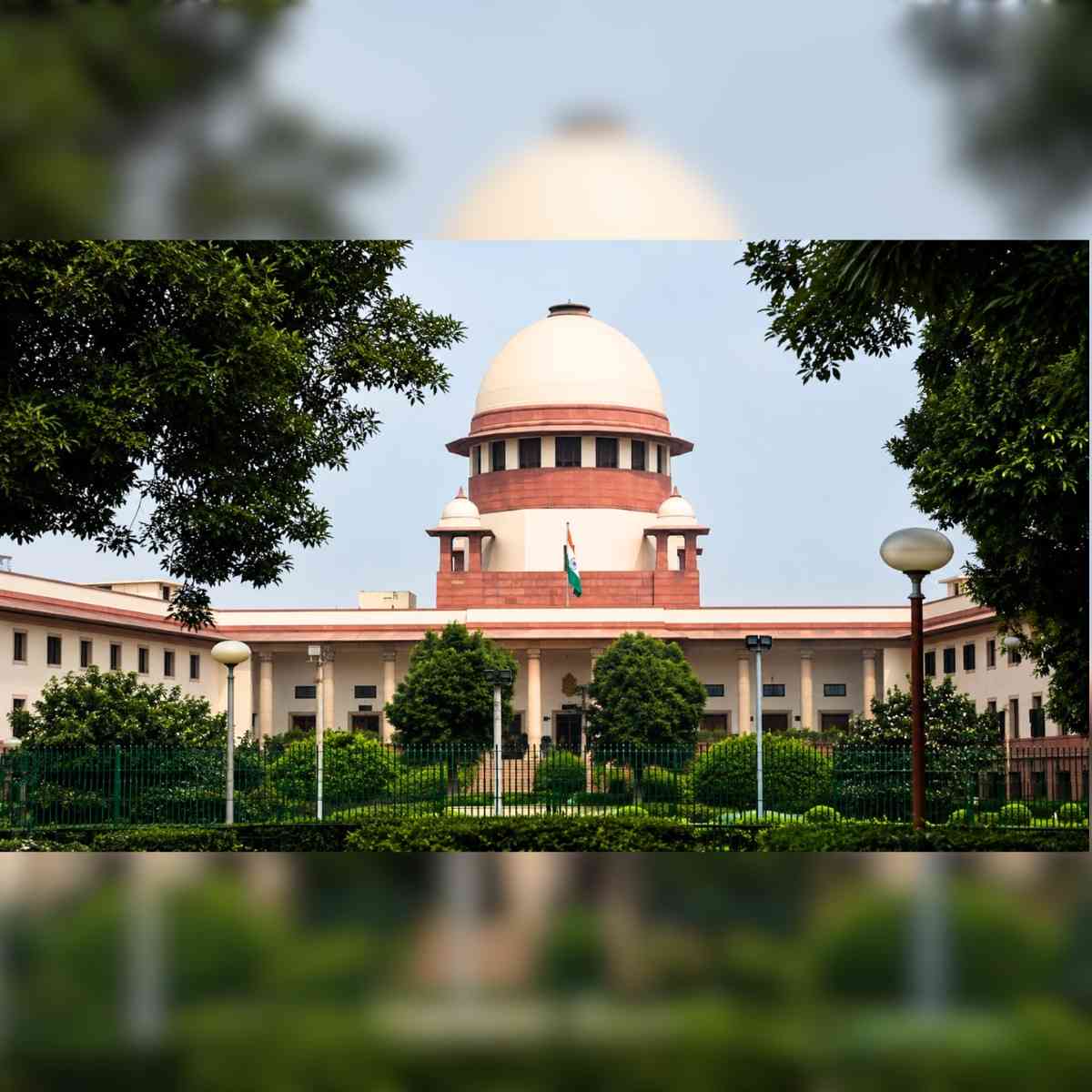
New Delhi: The Supreme Court has underlined the urgent need to protect forests and natural ecosystems across India. While hearing a petition related to stone mining near forests in Jharkhand, the court said that states with rich natural resources must preserve their ecological balance. The observation came during a hearing before a Bench led by Chief Justice Surya Kant and Justice N. Kotiswar Singh.
The case concerns permissions granted for stone mining and stone crushers near forest land in Jharkhand. The court emphasized that environmental protection should remain a priority while authorities make policy decisions.
Supreme Court Highlights Importance of Forest Conservation
During the hearing, the Supreme Court observed that only a few Indian states still possess well-preserved natural ecosystems. The Bench specifically referred to Jharkhand, saying the state has forests that deserve strong protection.
The judges stressed that governments must safeguard such ecological treasures instead of allowing activities that may damage the environment. Moreover, the court noted that protecting forests benefits biodiversity, wildlife, and future generations.
Case Linked to Stone Mining Near Forest Areas
The matter reached the Supreme Court after the Jharkhand State Pollution Control Board (JSPCB) challenged an order of the Jharkhand High Court.
Earlier this year, the High Court directed authorities not to grant permission for stone mining or stone crushers within one kilometre of protected forests. Later, in April, the High Court clarified that the ban would continue within 500 metres for stone mining and 400 metres for stone crushers near forest boundaries.
Court Questions Reduced Safety Distance
The dispute began after the JSPCB reduced the minimum distance for mining activities near forests from 400–500 metres to 250 metres through a notification.
During the hearing, the Supreme Court questioned why the authorities had suddenly reduced the safety distance. Furthermore, the Bench indicated that such decisions could have serious environmental consequences if not properly justified.
However, the court did not examine the merits of the dispute at this stage.
High Court to Continue Hearing the Matter
The Supreme Court observed that the case is still pending before the Jharkhand High Court for final adjudication. Therefore, it said the High Court should be allowed to complete the proceedings and deliver its final judgment.
When the petitioner’s lawyer referred to certain observations made by the High Court, the Bench reiterated that High Courts are constitutional courts. Consequently, they must remain free to decide cases independently without unnecessary interference.
Why This Case Matters
The case has become significant because it involves the balance between industrial activity and environmental protection. Stone mining and stone crushers contribute to economic development. However, they can also affect forests, wildlife habitats, and ecological stability if they operate too close to protected areas.
Environmental experts believe maintaining safe buffer zones around forests helps reduce pollution, protects biodiversity, and prevents long-term ecological damage.
Focus Remains on Forest Protection
Overall, the Supreme Court has sent a strong message on the importance of forest conservation. The court’s observations reinforce the need to protect India’s remaining natural ecosystems while ensuring that development projects comply with environmental laws.
The final outcome will now depend on the Jharkhand High Court, which will decide whether the existing restrictions on mining and stone crushers near forests should continue.
Key Points of the news:
- The Supreme Court stressed the need to protect forests and natural ecosystems across India.
- The court highlighted Jharkhand as one of the states with valuable natural forests that require stronger conservation.
- The case relates to stone mining and stone crushers operating near forest boundaries.
- The Supreme Court observed that authorities had reduced the minimum distance for mining activities near forests.
- The court allowed the Jharkhand High Court to continue hearing the matter and pass its final order.