
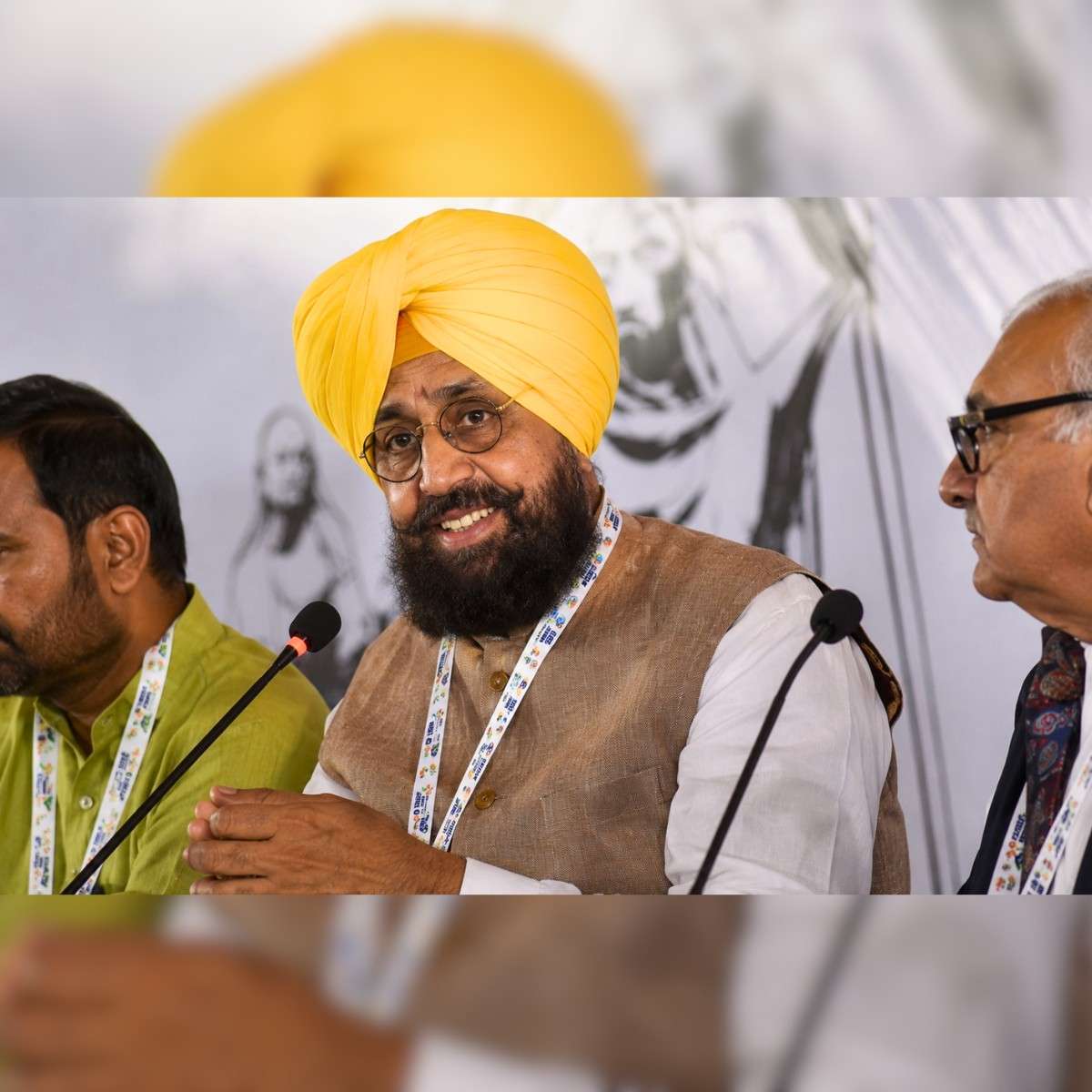
Chandigarh: The case of Punjab and Haryana HC Rejects Bajwa’s PIL has become a major political and legal talking point after the Punjab and Haryana High Court refused to hear a Public Interest Litigation (PIL) filed by senior Congress leader Pratap Singh Bajwa. In the petition, Bajwa had raised concerns regarding the conduct of ongoing municipal corporation elections in Punjab.
However, the High Court allowed Bajwa to withdraw the petition only after imposing a cost of ₹25,000. Furthermore, the court made strong observations regarding the disclosure requirements in Public Interest Litigation matters.
High Court Allows Withdrawal of Petition
The matter related to Punjab and Haryana HC Rejects Bajwa’s PIL came before a division bench comprising Chief Justice Sheel Nagu and Justice Sanjeev Berry.
During the hearing, the bench refused to entertain the PIL filed by Pratap Singh Bajwa regarding Punjab’s ongoing municipal corporation elections. However, the court later permitted him to withdraw the petition subject to payment of ₹25,000 as litigation costs.
Consequently, the matter gained significant attention in Punjab’s political circles.
Advocate General Raises Disclosure Issue
During the proceedings, Punjab Advocate General Maninderjit Singh Bedi informed the court that Bajwa had not approached the judiciary with “clean hands.”
According to the Advocate General, Bajwa failed to disclose details of an FIR registered against him under Sections 353(2) and 197(1)(D) of the Bharatiya Nyaya Sanhita (BNS). Therefore, the state argued that the petitioner had violated disclosure obligations required in PIL matters.
Furthermore, the Advocate General emphasized that complete transparency is mandatory in public interest litigation proceedings.
Court Stresses Transparency in PIL Cases
While hearing the case related to Punjab and Haryana HC Rejects Bajwa’s PIL, the division bench clearly stated that PIL petitioners must fully disclose their credentials and any direct or indirect personal interest connected with the matter.
The bench observed that such disclosures are mandatory under applicable rules governing public interest litigation cases. Moreover, the court underlined that transparency and honesty are essential when approaching the judiciary through PILs.
The judges further indicated that withholding important information could affect the credibility of the petitioner.
Bajwa’s Counsel Calls Omission “Unintentional”
Meanwhile, counsel representing Pratap Singh Bajwa argued before the court that the omission was completely unintentional. In addition, the lawyer attempted to describe the FIR-related issue as unrelated to the present petition concerning municipal elections.
However, the bench appeared unconvinced by the argument. During oral observations, Chief Justice Sheel Nagu remarked:
“You are acting as a judge in your own case.”
The sharp observation quickly became one of the most discussed aspects of the hearing.
Political and Legal Debate Intensifies
The development in the Punjab and Haryana HC Rejects Bajwa’s PIL matter has triggered discussions in both political and legal circles across Punjab. While opposition supporters defended Bajwa’s concerns regarding civic elections, others supported the court’s strict stand on disclosure rules in PIL cases.
Legal experts believe the case once again highlights the judiciary’s emphasis on transparency and procedural honesty in public interest matters. At the same time, political observers feel the controversy could further intensify political debates surrounding Punjab’s municipal elections.
As reactions continue pouring in, the High Court’s observations have added a fresh legal dimension to Punjab’s ongoing political atmosphere.
Key Highlights of the News
- Punjab and Haryana High Court refused to hear Bajwa’s PIL on civic polls.
- The court allowed withdrawal of the petition with a ₹25,000 cost.
- Punjab’s Advocate General argued that Bajwa failed to disclose an FIR against him.
- Additionally, the court stressed the importance of transparency in PIL cases.
- The bench observed that petitioners must disclose personal interests and credentials.