
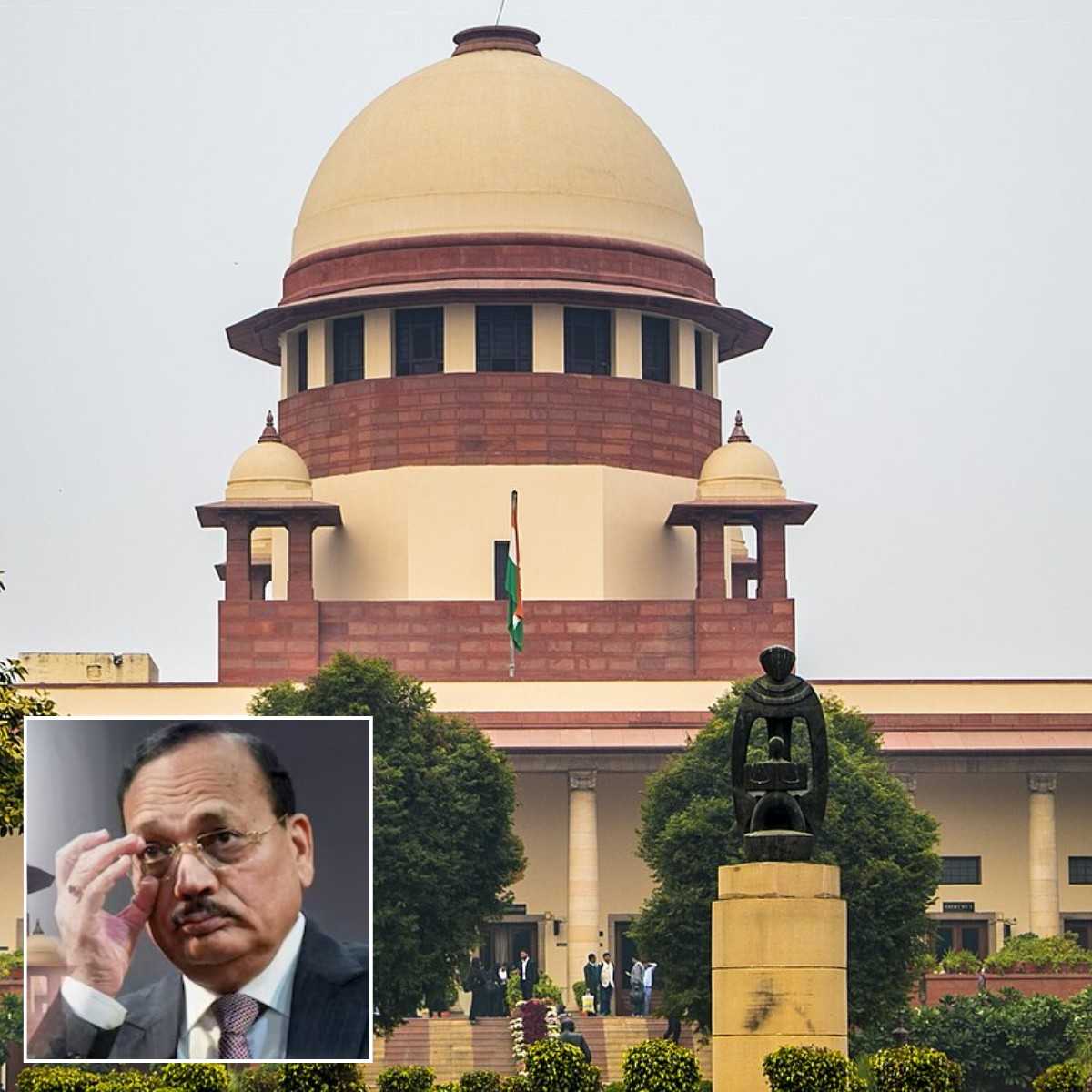
New Delhi: In a significant ruling, the Supreme Court has delivered an important judgment on the Supreme Court upholds wives’ rights, upholding the existing rights of wives under the Hindu Marriage Act. The court dismissed a Public Interest Litigation (PIL) that sought equal divorce rights for both husbands and wives.
The decision has once again brought attention to gender-specific provisions in Indian matrimonial law and their legal interpretation.
PIL Challenged Provisions of Hindu Marriage Act
The PIL was filed challenging a provision under the Hindu Marriage Act, 1955. The petitioner demanded that both husbands and wives should have equal rights in divorce-related matters.
However, during the hearing, the Supreme Court rejected the plea and upheld the current legal structure under the Supreme Court divorce rights verdict.
The petitioner argued that the law should treat both genders equally in matters of marital separation.
Key Provision Under Section 13(2)(iii)
The case focused on Section 13(2)(iii) of the Hindu Marriage Act. Under this provision:
- A wife can file for divorce under specific conditions
- A husband does not have the same legal provision in this context
- The law allows a wife to seek divorce if certain conditions regarding maintenance orders are not met
The Supreme Court clarified that this structure remains valid under the Supreme Court upholds wives’ rights.
Arguments Presented in Court
The petitioner requested the court to reconsider the provision and extend similar rights to husbands. He argued that both parties should have equal legal remedies in divorce cases.
However, the bench, led by Chief Justice Suryakant and Justice Joymalya Bagchi, dismissed the plea.
The court maintained that judicial intervention in this matter cannot alter the current legal framework.
Supreme Court’s Final Decision
The Supreme Court clearly ruled that under the existing law:
- Only wives can file for divorce under specific maintenance-related conditions
- Husbands do not have the same legal right under this provision
- The PIL seeking equality in this section was rejected
Thus, the court upheld the existing structure as part of the Supreme Court divorce rights verdict.
Legal and Social Implications
The ruling has sparked discussion on gender equality in matrimonial laws. While some argue for equal rights, others support the existing protective provisions for women.
Legal experts believe the Supreme Court divorce rights verdict reinforces the legislative intent behind the Hindu Marriage Act, especially regarding financial protection and social safeguards.
Focus on Gender-Based Legal Protection
The court’s decision highlights the continuing distinction in legal rights between husbands and wives in specific divorce-related provisions.
Supporters of the ruling argue that these provisions are designed to protect women in marital disputes, particularly in cases involving financial dependency.
No Change in Existing Law
The Supreme Court clarified that any change in such provisions must come through legislative amendment and not judicial interpretation.
Therefore, the Supreme Court divorce rights verdict maintains the status quo under the Hindu Marriage Act.
Key Points of Supreme Court upholds wives’ rights:
- Supreme Court rejects PIL seeking equal divorce rights
- Existing Hindu Marriage Act provisions upheld
- Only wives can file divorce under specific section
- Court says law change must come through Parliament
- Debate continues on gender equality in marriage laws