
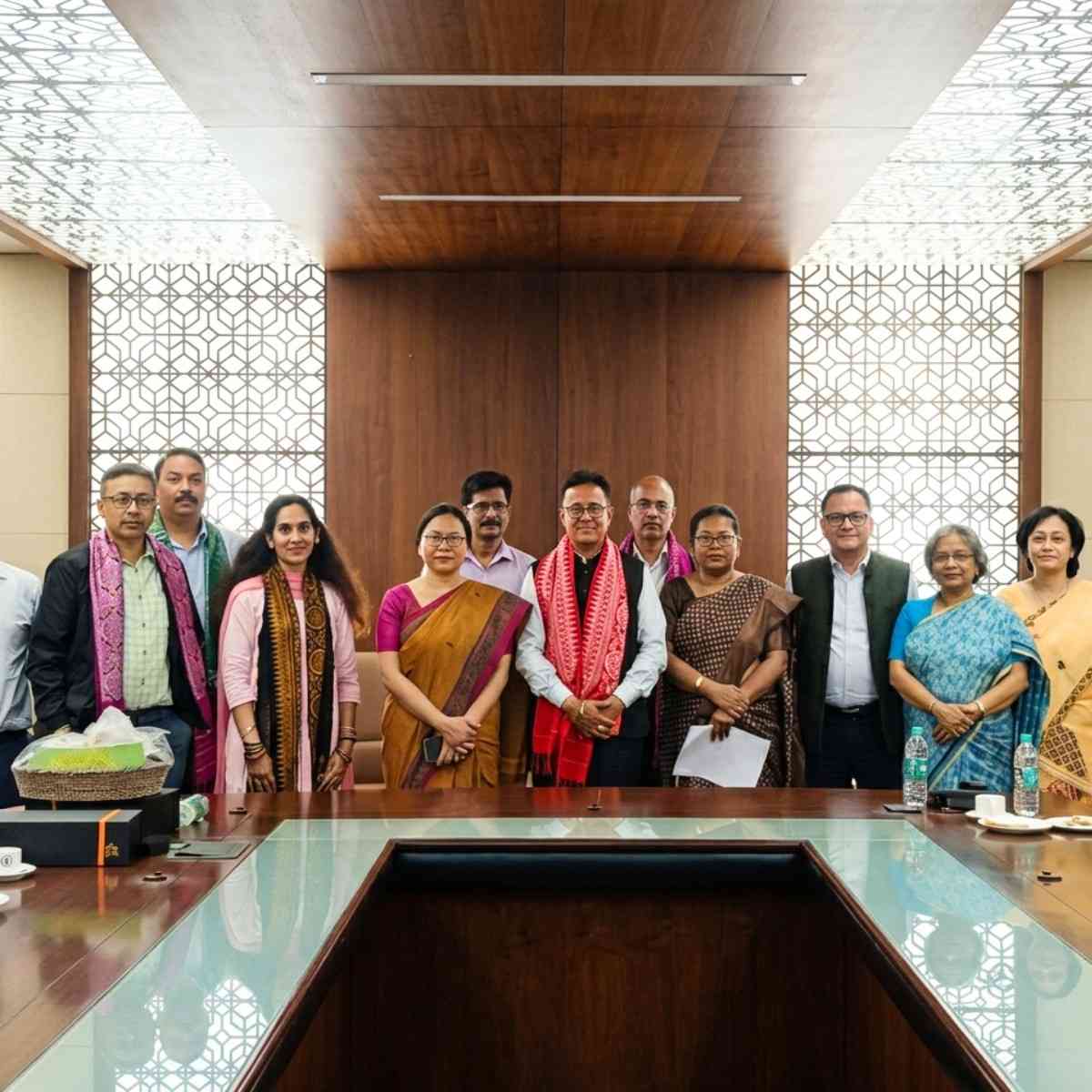
Shimla (Kameshwar Sharma): The tribal development exchange visit led by Additional Chief Secretary Omkar Chand Sharma marked a significant step toward strengthening tribal welfare strategies in India. The tribal development exchange visit was conducted from 25 to 29 April 2026 across the northeastern states of Assam and Meghalaya. The objective of this visit was to study successful tribal governance models, research frameworks, and policy implementation systems adopted in the region.
During the tribal development exchange visit, the team from the Tribal Development Department explored the working structure of tribal research institutions and administrative departments in both states. The initiative focused on understanding how tribal communities in the Northeast are supported through research-based policies and community-driven development programs.
Meetings and Key Interactions During Tribal Development Exchange Visit
As part of the tribal development exchange visit, a high-level meeting was held on 27 April 2026 in Shillong. The meeting was attended by Frederick Kharkongor, Principal Secretary of Arts and Culture (Independent Charge, Tribal Affairs), along with other senior officials. Discussions during this tribal development exchange visit centered around cultural preservation, tribal identity, and policy frameworks that promote sustainable development.
In another major segment of the visit, the delegation visited Dispur in Assam. There, they held discussions with Sweety Changsang, Additional Chief Secretary of Tribal Affairs, Assam, and other officials. These meetings provided valuable insights into how Assam has developed effective tribal welfare systems through coordinated administrative efforts.
Key Learnings from Tribal Development Exchange Visit
According to Omkar Chand Sharma, the tribal development exchange visit provided a deep understanding of policy formulation based on research and ground-level implementation. The delegation observed successful models from the Northeast that integrate tribal culture with socio-economic development.
He emphasized that the tribal development exchange visit highlighted how research-driven policymaking can play a crucial role in preserving tribal heritage while ensuring economic progress. The exposure to Northeastern tribal governance models is expected to help improve development strategies in other tribal regions of the country as well.
Importance of Tribal Development Exchange Visit for Policy Making
The visit has proven to be an important learning platform for policymakers. It demonstrated how states like Assam and Meghalaya have effectively balanced cultural preservation with modern development initiatives.
The insights gained during the visit will help in designing better tribal welfare programs, strengthening institutional frameworks, and promoting inclusive development. The emphasis on community participation and research-based planning was a key takeaway from this visit.
Future Impact of Tribal Development Exchange Visit Tribal Development Exchange Visit
The outcomes of the visit are expected to influence future tribal development policies at a broader level. By studying successful models from the Northeast, policymakers aim to replicate best practices in other tribal-dominated regions.
The visit also reinforced the importance of collaboration between states for knowledge sharing and policy innovation. It is expected that such exchange programs will continue to play a crucial role in shaping India’s tribal development roadmap.
KEY POINTS (QUICK SUMMARY) of Tribal Development Exchange Visit
- A visit was held from 25–29 April 2026 in Assam and Meghalaya.
- Led by ACS Omkar Chand Sharma, the visit focused on tribal research and policy models.
- Meetings were held with top officials in Shillong and Dispur on tribal affairs.
- The visit highlighted research-based tribal development strategies.
- Learnings will help improve tribal welfare policies across other Indian states.